Advancements in Data Analytics for Credit-Enabled Payment Systems Across Borders
Written by Petra Keller · Oct 3, 2026

Advancements in Data Analytics for Credit-Enabled Payment Systems Across Borders
Merchants operating in international markets rely on credit payment services that combine financing options with transaction processing, and data analytics now play a central role in how those services allocate limits and monitor activity. In October 2026 figures from multiple regulatory bodies show continued growth in cross-border volume handled through these integrated systems, with analysts noting that real-time scoring models adjust credit lines based on transaction patterns collected across regions.
Core Components of Modern Credit Payment Frameworks
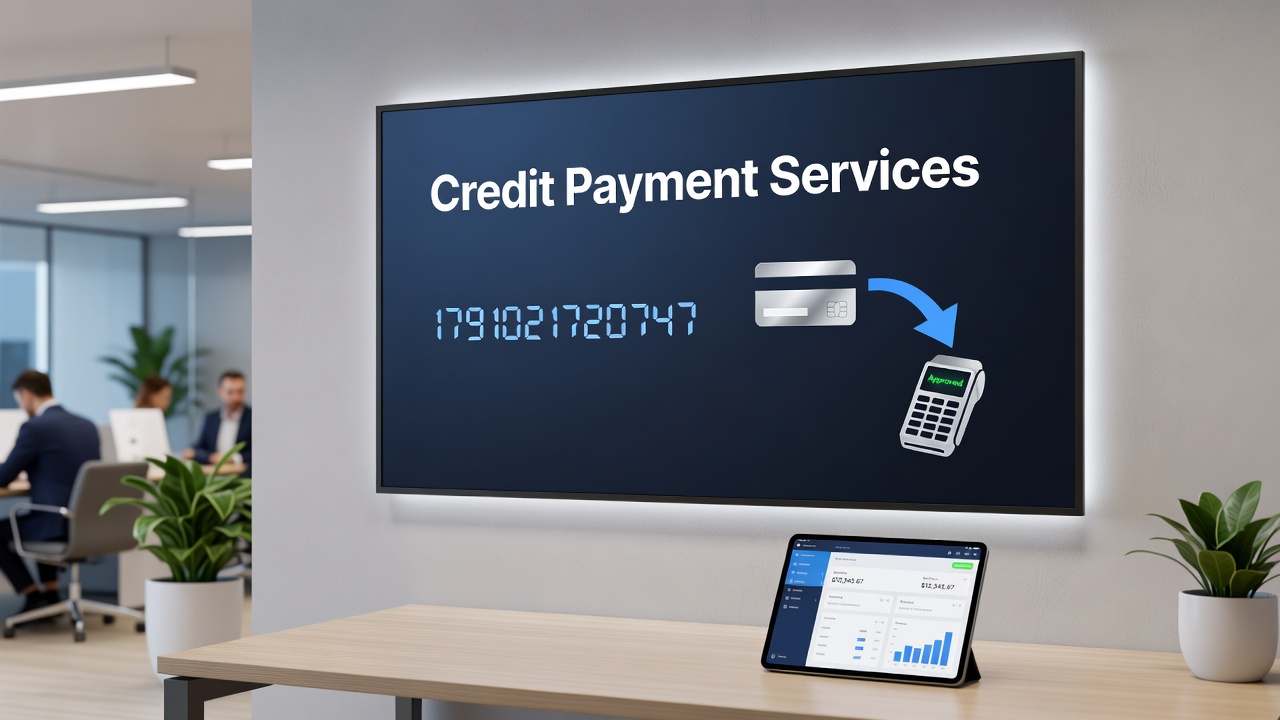
Credit payment services typically link three elements: an application programming interface for authorization, a credit assessment engine that evaluates merchant or buyer history, and settlement rails that move funds once approval occurs. Researchers at institutions such as the Bank for International Settlements have documented how these components operate together to reduce processing time while maintaining compliance with varying national rules. Data from the European Central Bank indicates that average approval cycles for recurring credit draws shortened by measurable margins between 2024 and 2026 when analytics platforms incorporated machine-learning variables drawn from invoice timing and buyer geography.
Payment networks also embed verification steps that cross-reference shipping records, inventory turnover, and historical repayment behavior before extending additional credit. One study released by the Reserve Bank of Australia highlighted that merchants using layered data inputs experienced fewer interruptions during high-volume quarters, because the system flagged anomalies earlier in the cycle rather than after funds had moved.
Regional Patterns Observed in October 2026
October 2026 brought new reporting requirements in several jurisdictions that affected how credit payment services share information with oversight bodies. In North America, updated guidelines from the Federal Reserve emphasized standardized data fields for credit utilization, while Asian markets saw increased coordination between central banks on cross-border reporting formats. Observers note that these changes encouraged service providers to refine their analytics dashboards so merchants receive unified views of exposure across multiple currencies.
Merchants in emerging markets often connect their local accounting platforms directly to credit payment APIs, allowing automated updates to available lines based on daily sales feeds. According to data compiled by the World Bank, this connectivity contributed to steadier cash-flow projections for small exporters who previously relied on manual reconciliations that delayed credit requests by several days.
Security and Compliance Integration
Security protocols within credit payment services now incorporate tokenization at the point of credit decisioning, which separates sensitive buyer details from the financing decision itself. Industry reports compiled by the Payments Association of Canada describe how tokenized records allow analytics engines to track repayment behavior without retaining full card numbers, thereby satisfying data-protection statutes in multiple countries simultaneously. Those who've examined system architectures observe that this separation also simplifies audit trails when regulators request transaction histories spanning several jurisdictions.
Compliance teams at larger service providers run periodic stress tests that simulate sudden shifts in currency values or buyer default rates. Results from these exercises feed back into scoring models, ensuring credit limits remain aligned with current risk parameters rather than static thresholds set months earlier.
Future Trajectories for Credit Payment Analytics
Developments expected after October 2026 include tighter integration between credit scoring engines and supply-chain visibility tools, so that inventory in transit can serve as collateral input for dynamic limit adjustments. Academic papers from universities in Singapore and the Netherlands have begun modeling these linkages, showing potential reductions in working-capital gaps for merchants who ship goods across multiple time zones. Service providers continue to test interfaces that pull verified shipping data directly into credit evaluations, which could further compress approval windows while preserving oversight standards already in place.
Conclusion
Credit payment services have evolved into data-intensive operations that balance financing flexibility with regulatory demands across borders. The patterns documented through October 2026 illustrate how analytics platforms now underpin limit management, security measures, and compliance reporting in ways that support merchants handling international volumes. Continued refinement of these tools will likely depend on consistent data standards and regional cooperation among oversight agencies.