Emerging Patterns in Merchant Credit Facilities Through Digital Gateways
Written by Logan Keller · Sep 19, 2026
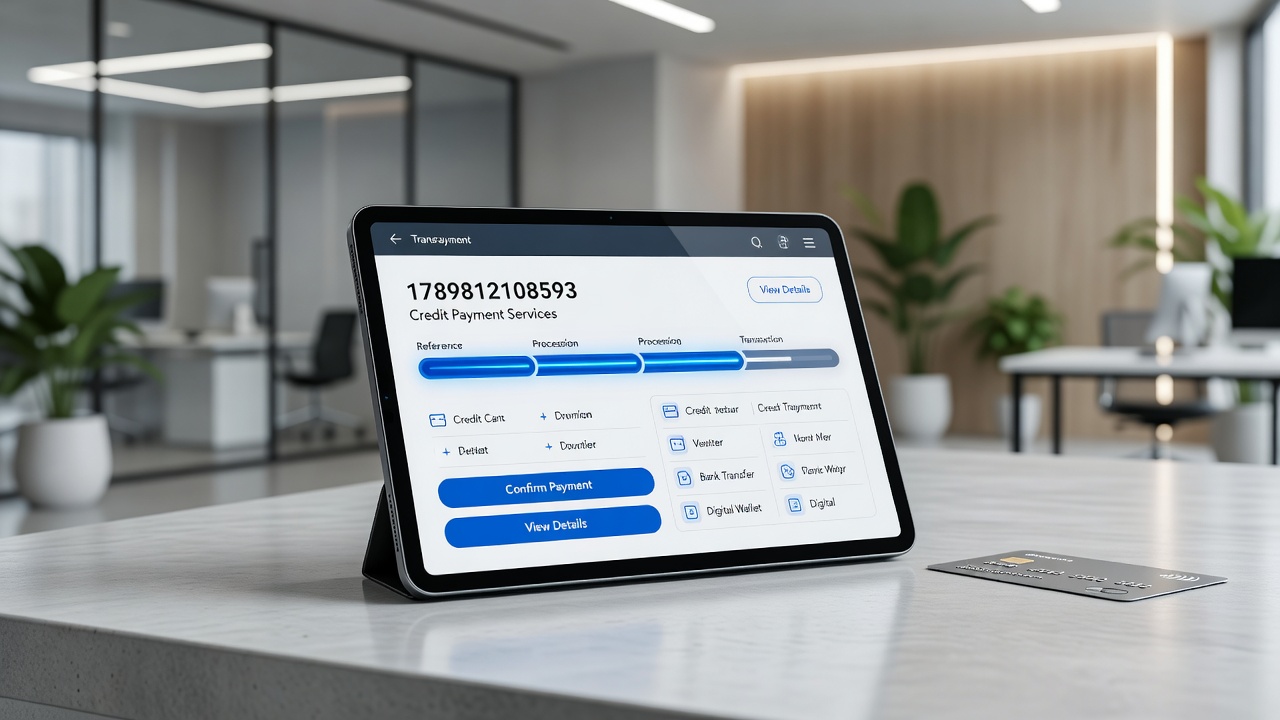
Emerging Patterns in Merchant Credit Facilities Through Digital Gateways
Merchants operating across digital marketplaces have expanded their use of credit facilities that connect directly to payment processing networks, and data from international trade reports shows this integration has grown steadily since 2023. These systems allow businesses to extend payment terms while maintaining real-time verification of transactions, which reduces delays in cash flow management for sellers in multiple regions.
Integration Mechanisms Across Platforms
Payment gateways now embed credit allocation tools that link buyer accounts to merchant billing cycles, and researchers at the Bank for International Settlements noted in their 2025 analysis that such connections support higher transaction volumes in cross-border sales. One study revealed that platforms handling subscription-style services often route credit checks through API endpoints, which streamlines approval processes without interrupting recurring charges.
Observers note that companies in the European Union have adopted standardized protocols for these services, whereas North American operators tend to customize interfaces based on local banking regulations. Data indicates that by September 2026, updates to verification layers will incorporate machine learning models trained on transaction histories from over 40 countries, improving accuracy in credit line adjustments.
Security Protocols and Verification Layers
Tokenization remains central to protecting credit details during automated charges, and industry reports from the Canadian Bankers Association highlight how encrypted tokens prevent exposure of sensitive data across shared networks. Merchants who implement layered authentication see fewer interruptions in revenue collection, especially when handling international customers who rely on varying currency conversions.

What's interesting is how these protocols coordinate with scheduled invoicing systems, allowing vendors to manage credit lines without manual intervention. Figures from the Reserve Bank of Australia show that automated reconciliation reduced processing errors by 18 percent in platform-based sales during the first half of 2025, and similar patterns appear in emerging markets where digital marketplaces continue to scale.
Regional Variations in Adoption
Merchants in Asia-Pacific regions often combine credit facilities with local financing partners to address liquidity needs during peak seasons, whereas those in Latin America focus on compliance with varying tax reporting requirements tied to credit transactions. Research indicates that API-driven networks enable real-time adjustments to credit limits based on payment performance, which supports expansion for sellers operating across multiple jurisdictions.
There's this case where experts found that hybrid models blending credit allocation with recurring billing helped stabilize revenue streams for platform economies, and this approach aligns with guidelines from the Monetary Authority of Singapore on risk management in digital payments. Coordination techniques for credit and invoicing continue to evolve as new data pathways emerge in automated systems.
Future Developments in Credit Networks
By September 2026, enhancements to credit payment services are expected to include expanded support for multi-currency settlements and advanced analytics for credit risk assessment. These changes build on existing frameworks that already connect merchant accounts to global verification tools, allowing faster decision-making during high-volume periods.
Patterns of credit line management in API-enabled transaction systems show consistent growth in adoption among international merchants, according to data compiled by academic researchers at the University of Toronto. Such developments point toward more interconnected ecosystems where credit services operate seamlessly alongside billing operations.
Conclusion
Credit facilities integrated into payment gateways provide structured support for merchants navigating digital commerce, and evidence from regulatory bodies across regions confirms their role in facilitating secure, efficient transactions. Continued refinement of these systems will likely shape how commercial users manage credit allocation and revenue flows in the years ahead.