Intersections of Dynamic Credit Mechanisms and API Verification Protocols in Worldwide Subscription Networks
Written by Parker Carter · Oct 31, 2026
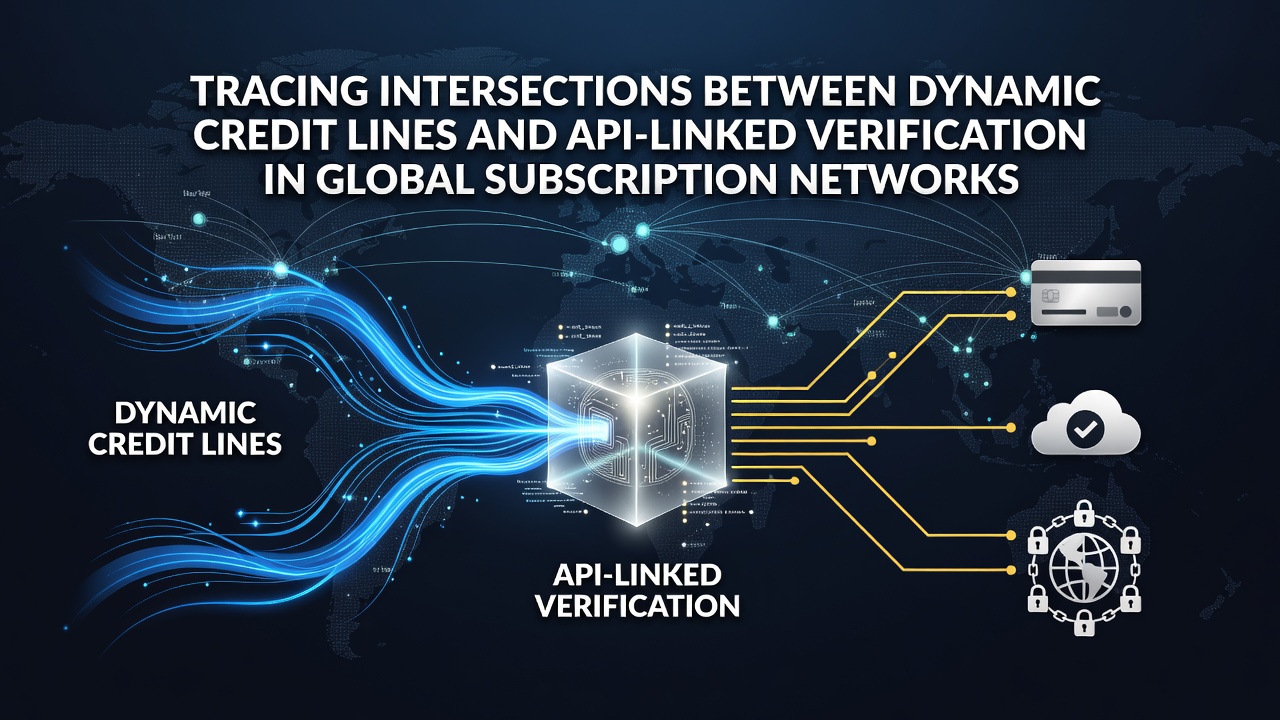
Intersections of Dynamic Credit Mechanisms and API Verification Protocols in Worldwide Subscription Networks
Global subscription networks rely on dynamic credit lines that adjust based on real-time data feeds while API-linked verification handles authentication across multiple jurisdictions, and observers note these systems operate through interconnected protocols that process recurring charges for services ranging from streaming platforms to enterprise software suites. Research from the Bank for International Settlements shows transaction volumes in these networks reached significant levels by mid-2026 with particular growth recorded in cross-border arrangements.
Core Components of Adjustable Credit Facilities
Dynamic credit lines function through algorithms that monitor user behavior patterns, payment history, and external risk signals before recalibrating available balances on a continuous basis, and this process allows subscription providers to extend or restrict access without manual intervention in most cases. Data indicates that major platforms in North America and Asia implemented such adjustments at scale during 2025 with integration rates climbing steadily into the following year.
Verification protocols tied to these lines often pull from multiple data sources simultaneously, including banking records and credit bureaus, while maintaining compliance with regional standards such as those outlined in the European Union's revised payment services directives. Experts have observed that these protocols reduce processing delays when handling international users who subscribe across different time zones and regulatory environments.
API Connections in Recurring Billing Systems
Application programming interfaces serve as the primary channel for linking credit assessments directly into billing cycles, enabling subscription networks to query credit status in milliseconds before authorizing each recurring charge. Figures from industry reports reveal that API call volumes for verification purposes increased notably throughout 2025 across platforms serving customers in Europe, Australia, and parts of Latin America.
These interfaces transmit encrypted payloads containing account details and transaction history, and the receiving systems respond with approval indicators or adjusted credit parameters that influence whether the subscription continues uninterrupted. One study from academic researchers at a Canadian university highlighted how standardized API formats facilitate smoother operations when merchants operate across multiple countries with varying data protection requirements.
Global Patterns and Data Exchanges
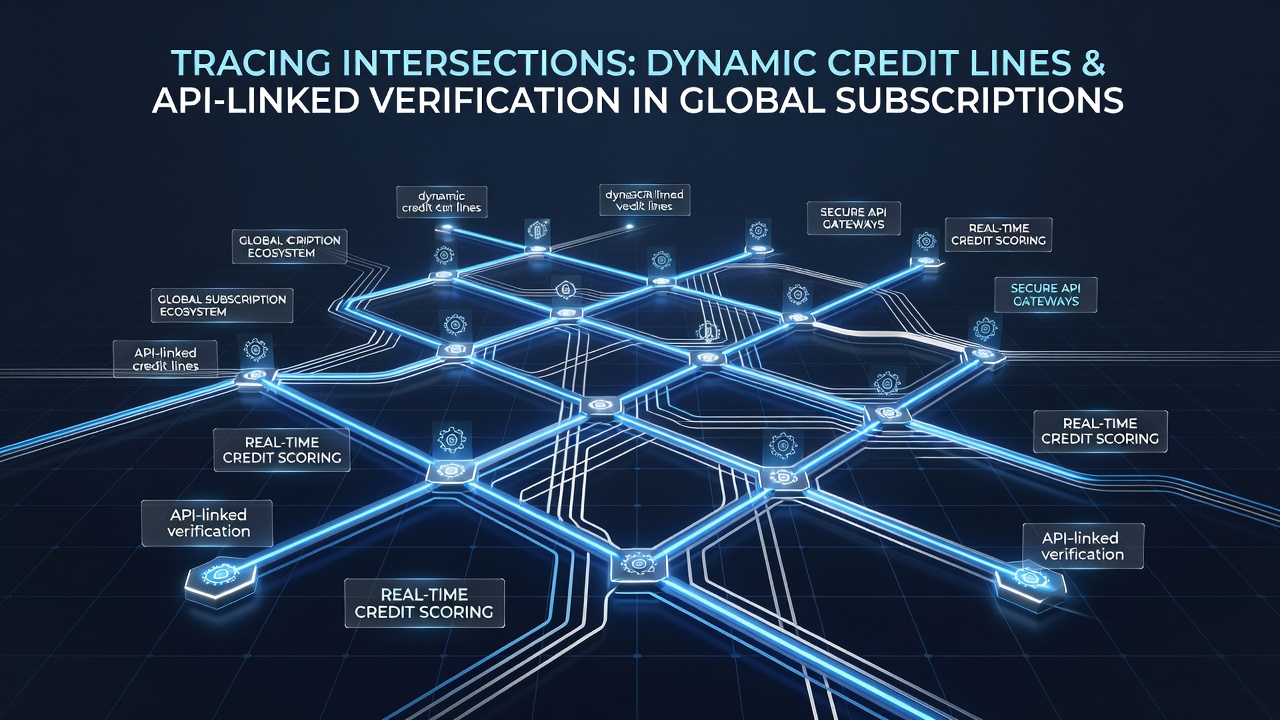
Subscription ecosystems spanning continents demonstrate how dynamic credit adjustments intersect with verification routines through shared data pathways that update in near real time, and this coordination supports consistent service delivery even when users relocate or change payment methods. Reports compiled in October 2026 by the Reserve Bank of Australia documented rising adoption of these combined systems among digital service providers handling high volumes of recurring international payments.
Merchants utilizing these frameworks often integrate additional layers such as tokenization to secure stored credentials while the APIs handle ongoing credit evaluations, and evidence suggests this approach maintains revenue stability across platform economies. Those who've examined transaction logs from large-scale operators note that verification failures drop when credit line data refreshes automatically through dedicated endpoints.
Operational Examples Across Regions
Take one enterprise software provider that expanded its subscription offerings into new markets during 2026, and the company applied dynamic credit limits verified through APIs to manage access for users in diverse regulatory zones without separate approval workflows for each region. Similar implementations appear in streaming services where credit parameters shift based on usage metrics pulled via API calls during billing cycles.
Coordination between credit allocation and scheduled invoicing relies on these intersections to prevent disruptions, while layered verification protocols trace revenue flows through multiple checkpoints before funds settle. Researchers discovered that platforms employing such methods recorded fewer interruptions in recurring collections compared to those relying on static credit assessments alone.
Conclusion
The intersections between dynamic credit lines and API-linked verification continue to shape operations within global subscription networks as data exchanges become more sophisticated and regulatory expectations evolve across borders. Ongoing developments in these areas support the infrastructure that handles recurring transactions for millions of users worldwide, and continued monitoring by financial institutions provides updated insights into their effectiveness.